Build Strong Math Skills Through Practice From Middle School to High School
Math becomes easier when students practice regularly and understand the ideas behind each problem. Consistent practice helps learners improve accuracy, confidence, and problem-solving skills. For students developing their foundation, 7th grade math practice can provide valuable opportunities to work with fractions, equations, ratios, geometry, and other essential concepts while building habits that support future academic success.
At this stage, students often move beyond basic calculations and begin solving problems that require multiple steps. Practicing different question types helps them recognize patterns and choose suitable methods. Short daily sessions can be more effective than occasional long study periods because regular review keeps important mathematical skills fresh.
Another benefit of structured practice is that it helps students identify areas where they need additional support. For example, a learner who frequently makes mistakes with percentages can focus on related exercises until the process becomes more familiar. Reviewing incorrect answers is equally important because it helps students understand why an approach did not work.
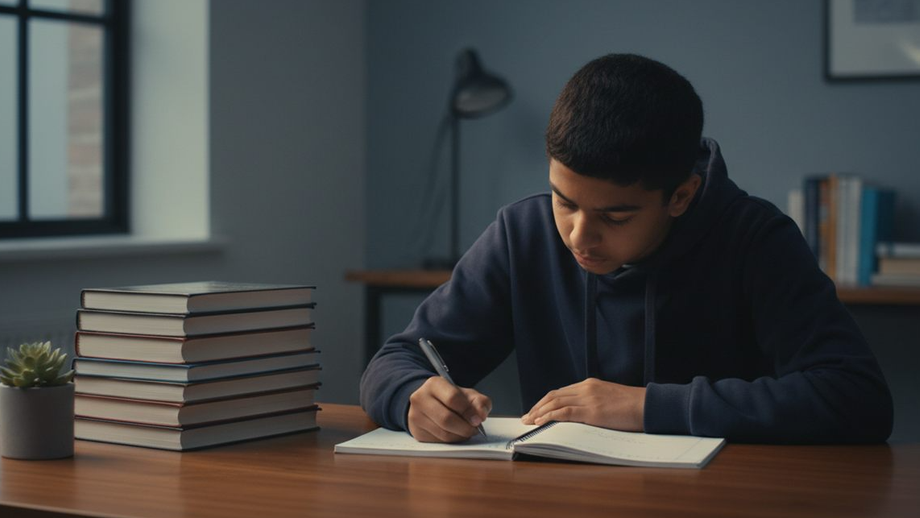
As students progress into higher grades, mathematical concepts become increasingly connected. Algebra, geometry, functions, statistics, and problem-solving may require students to apply skills learned earlier. Developing strong fundamentals therefore makes advanced topics less intimidating and encourages students to approach challenging questions with greater confidence and patience.
Effective practice should also include a mixture of straightforward and challenging questions. Easier exercises reinforce basic skills, while more complex problems encourage logical thinking. Students can benefit from setting specific goals, such as completing a certain number of problems or mastering one topic before moving to another. This approach makes study sessions focused and measurable.
For older learners, 10th grade math practice can be especially useful for strengthening algebraic reasoning, geometry skills, equations, functions, and other concepts commonly encountered in secondary education. Regular practice also gives students opportunities to prepare for classroom assessments while discovering which topics require more attention.
Parents and teachers can support progress by encouraging students to explain how they reached an answer rather than focusing only on the final result. Explaining each step can reveal misunderstandings and develop clearer mathematical reasoning. A positive learning environment also helps students view mistakes as useful opportunities to improve rather than reasons to give up.
Ultimately, successful math learning depends on consistency, understanding, and thoughtful practice. Students who regularly review concepts, correct mistakes, and gradually tackle harder problems can build stronger skills over time. With the right practice routine, mathematics can become more manageable, encouraging learners to approach new challenges with confidence and a practical problem-solving mindset.
Comments
Post a Comment