Navigating Aviation Dreams Through Smart Training Choices
The First Step Toward a Pilot’s Journey
Becoming a pilot is more than a career choice; it is a commitment to discipline, precision, and continuous learning. Every aspiring aviator begins with a dream of conquering the skies, but that dream requires structured guidance and focused preparation. The early stages of aviation training lay the foundation for everything that follows, making it essential to choose the right learning path from the start. Understanding airspace rules, communication protocols, and aircraft systems becomes easier when learners are guided through a well-designed curriculum that aligns with industry expectations.
Understanding the Importance of Communication Training
One of the most critical skills in aviation is effective communication. Pilots must interact clearly and confidently with air traffic controllers, crew members, and ground staff. This is where Radio Telephony Restricted License Training plays a vital role. It equips aspiring pilots with the knowledge and practical skills required to handle real-time communication in high-pressure situations. From learning standard phraseology to mastering emergency communication procedures, this training ensures that pilots can respond swiftly and accurately. It not only enhances safety but also builds confidence, which is essential when navigating complex airspace environments.
Building Technical Knowledge and Confidence
Aviation demands a deep understanding of technical concepts, from meteorology to navigation systems. However, knowledge alone is not enough. Confidence in applying that knowledge is what truly sets a pilot apart. Structured coaching environments provide students with opportunities to simulate real-world scenarios, helping them develop both competence and composure. Through consistent practice and expert guidance, learners begin to think like pilots, making informed decisions even under challenging conditions.
Choosing the Right Learning Environment
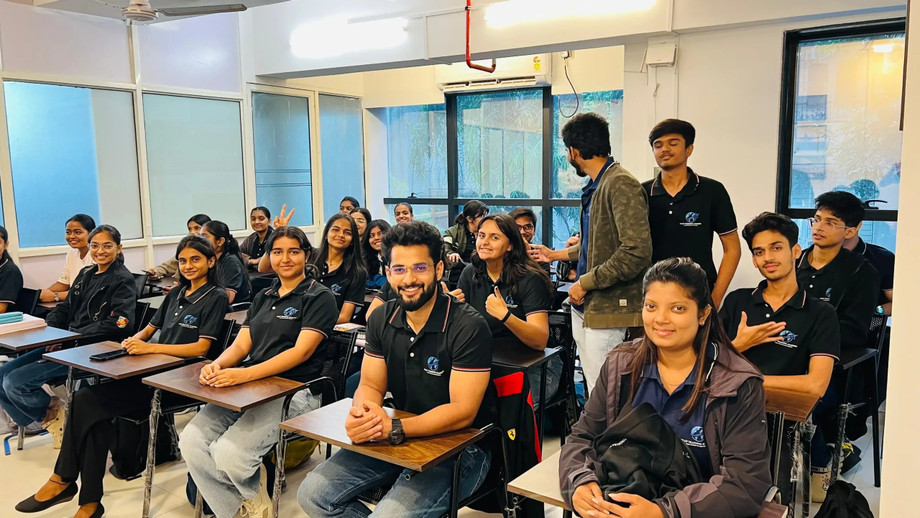
Finding the right training environment can significantly impact a student’s progress. Many aspiring pilots search for Pilot Coaching Classes Near Me to ensure accessibility and personalized attention. Proximity to a training center often allows for more frequent interaction with instructors and better hands-on experience. A supportive learning atmosphere encourages students to ask questions, clarify doubts, and engage actively in their training. This personalized approach helps in identifying strengths and addressing weaknesses effectively, making the journey smoother and more rewarding.
The Role of Practical Exposure in Aviation Training
While theoretical knowledge forms the backbone of aviation education, practical exposure is what brings that knowledge to life. Simulators, mock drills, and real-time communication exercises allow students to experience scenarios they will encounter in their careers. These experiences help bridge the gap between classroom learning and real-world application. As students progress, they become more adept at handling unexpected situations, which is a crucial aspect of aviation safety.
Overcoming Challenges on the Path to Becoming a Pilot
The journey to becoming a pilot is not without its challenges. Rigorous exams, demanding schedules, and high expectations can sometimes feel overwhelming. However, with the right guidance and a structured approach, these challenges can be transformed into opportunities for growth. Consistency, dedication, and a willingness to learn are key traits that every aspiring pilot must develop. Support from experienced instructors and a well-organized training program can make a significant difference in overcoming obstacles.
Turning Aspirations into Achievements
Every successful pilot once stood at the starting line, uncertain yet determined. With the right training, guidance, and mindset, those aspirations gradually turn into achievements. Investing time in quality education and skill development ensures that aspiring pilots are well-prepared for the responsibilities that come with the profession. The journey may be demanding, but the rewards of flying high and achieving one’s dreams make it all worthwhile.
In the end, aviation is not just about reaching destinations; it is about mastering the journey. With the right training choices and a commitment to excellence, anyone with the passion to fly can transform their dreams into reality.
Comments
Post a Comment