Professional Certifications Shaping Modern Global Career Opportunities
In today’s competitive global job market, professional qualifications play a crucial role in defining career growth and long-term success. Employers increasingly value candidates who demonstrate not only experience but also verified expertise through structured learning. As industries evolve with technology and globalization, certifications have emerged as powerful tools that validate skills, enhance credibility, and open doors to international opportunities.
The Growing Importance of Professional Certifications
Professional certifications are no longer optional credentials reserved for specialists. They have become essential for individuals seeking to stand out in crowded industries. Certifications provide structured knowledge, practical insights, and a clear understanding of industry standards. They also help professionals stay relevant as business practices and regulations change rapidly.
By investing in continuous learning, professionals demonstrate adaptability and commitment to excellence. This mindset is particularly valued in industries that rely heavily on operational efficiency, customer satisfaction, and global coordination.
Advancing Careers in Travel and Tourism
The travel and tourism sector is one of the most dynamic industries worldwide. It connects cultures, drives economic growth, and offers diverse career opportunities across hospitality, operations, and destination management. However, the competitive nature of this industry demands specialized knowledge and professional conduct.
Earning travel and tourism certifications equips individuals with a strong foundation in customer service, tourism operations, and global travel standards. These certifications help professionals understand traveler expectations, regulatory frameworks, and sustainable tourism practices. They also enhance confidence when dealing with international clients and partners.
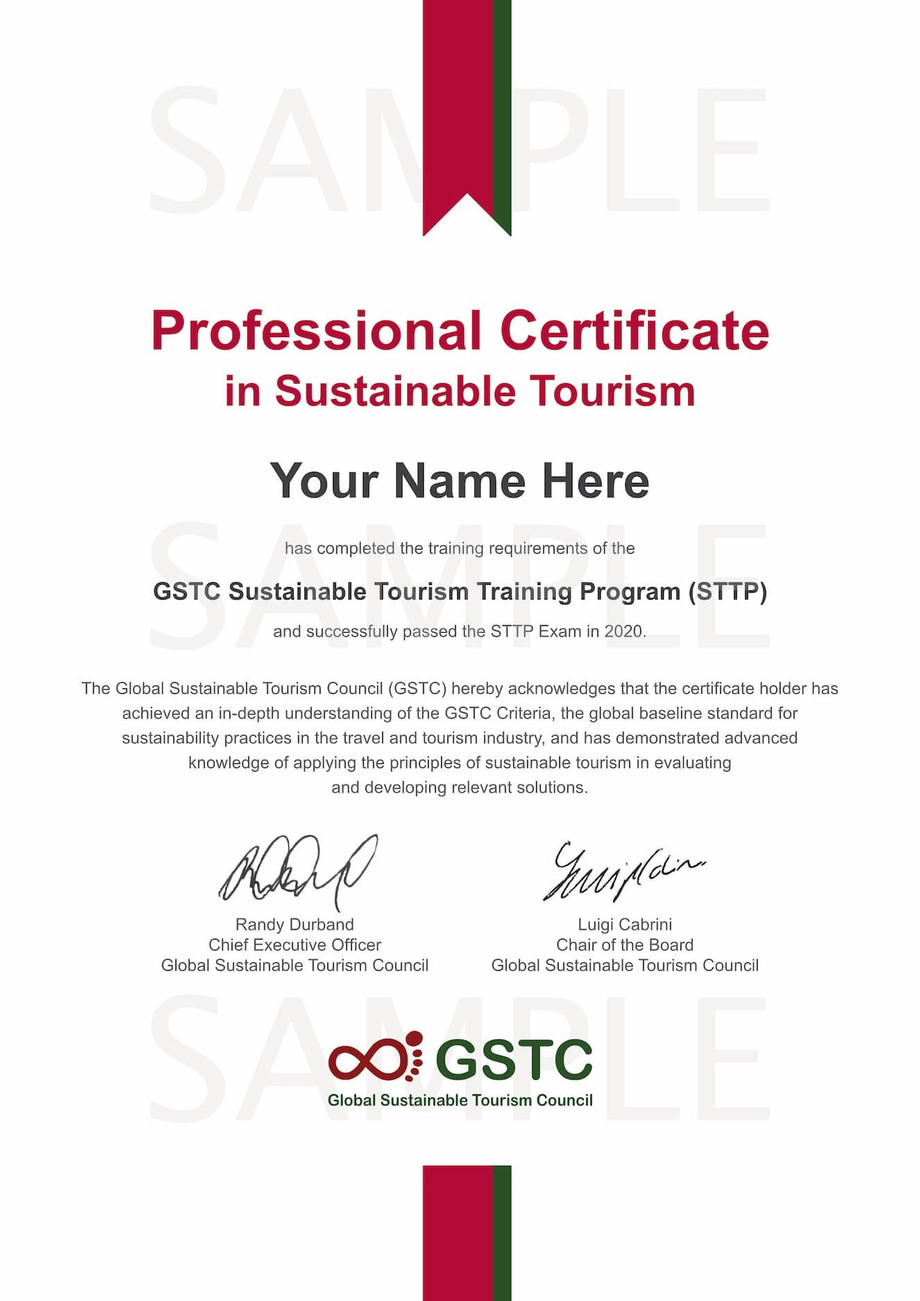
Certified professionals are often better positioned for leadership roles because they understand both the operational and experiential aspects of tourism. Their qualifications signal reliability, professionalism, and a commitment to quality service, which are essential in building trust within the industry.
Digital Learning and the Rise of Online Training
The expansion of digital education has transformed how professionals acquire new skills. Online training programs offer flexibility, accessibility, and global reach. Learners can now gain industry-recognized qualifications without interrupting their work or personal commitments.
This shift toward online learning has made professional development more inclusive. Individuals from different regions and backgrounds can access high-quality education, enabling them to compete on a global level. Online training also encourages self-paced learning, allowing professionals to absorb knowledge more effectively.
Strengthening Operations Through Supply Chain Knowledge
Efficient supply chain management is the backbone of modern business operations. From manufacturing and logistics to retail and services, supply chains ensure that products and services reach customers efficiently and cost-effectively. Disruptions in supply chains can lead to significant losses, highlighting the importance of skilled professionals in this field.
Enrolling in supply chain management training online allows individuals to gain practical insights into logistics planning, inventory control, procurement strategies, and risk management. Online training provides real-world scenarios and case-based learning that reflect current industry challenges.
Professionals with supply chain expertise are highly valued because they contribute directly to cost optimization and operational resilience. Their skills help organizations adapt to market fluctuations, improve efficiency, and maintain customer satisfaction.
Combining Industry Knowledge for Versatile Careers
Modern careers often benefit from interdisciplinary expertise. Professionals who understand both service-oriented industries like tourism and operational frameworks like supply chain management gain a unique advantage. This combination enables individuals to manage complex operations while delivering exceptional customer experiences.
For example, tourism professionals with supply chain knowledge can better manage vendor relationships, logistics, and resource planning. Similarly, supply chain experts with an understanding of tourism operations can adapt strategies to meet seasonal demand and service expectations.
Building Confidence and Global Recognition
Certifications provide more than technical knowledge. They build confidence by validating skills through structured assessment. This recognition is particularly important for professionals aiming to work in international environments, where standardized qualifications help bridge differences in education systems and work cultures.
Certified professionals often experience improved career mobility and access to leadership roles. Their credentials serve as proof of competence and dedication, making them attractive candidates in a global talent pool.
Investing in Lifelong Learning
In a rapidly changing world, learning does not stop with formal education. Certifications represent an ongoing commitment to growth and adaptability. They empower professionals to stay ahead of industry trends and align their skills with market demands.
By pursuing relevant certifications, individuals invest in their future. They gain knowledge that enhances performance, boosts confidence, and creates pathways to diverse career opportunities. In an interconnected global economy, continuous learning is the key to sustainable professional success.
Comments
Post a Comment